Electric Bike:
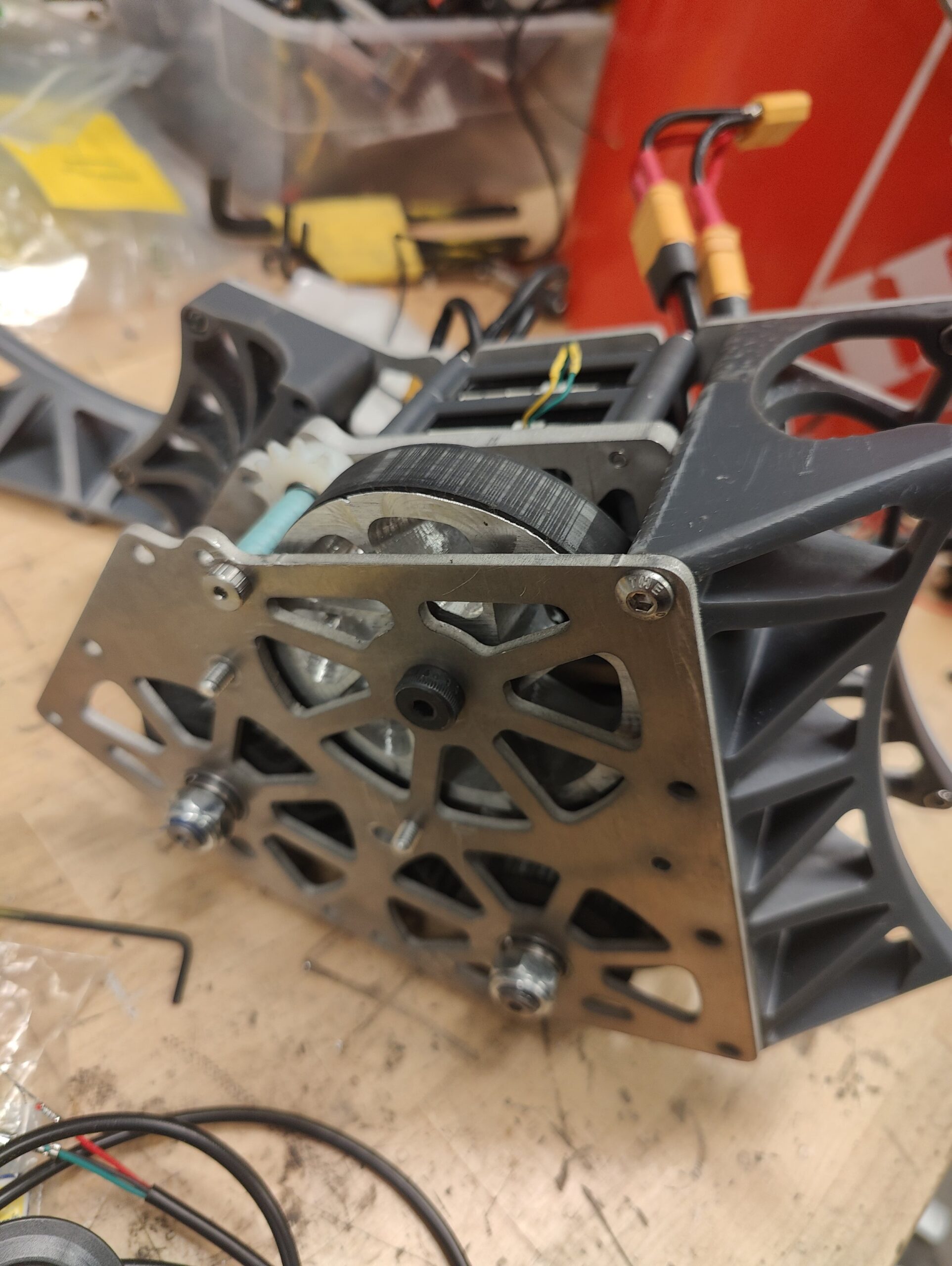
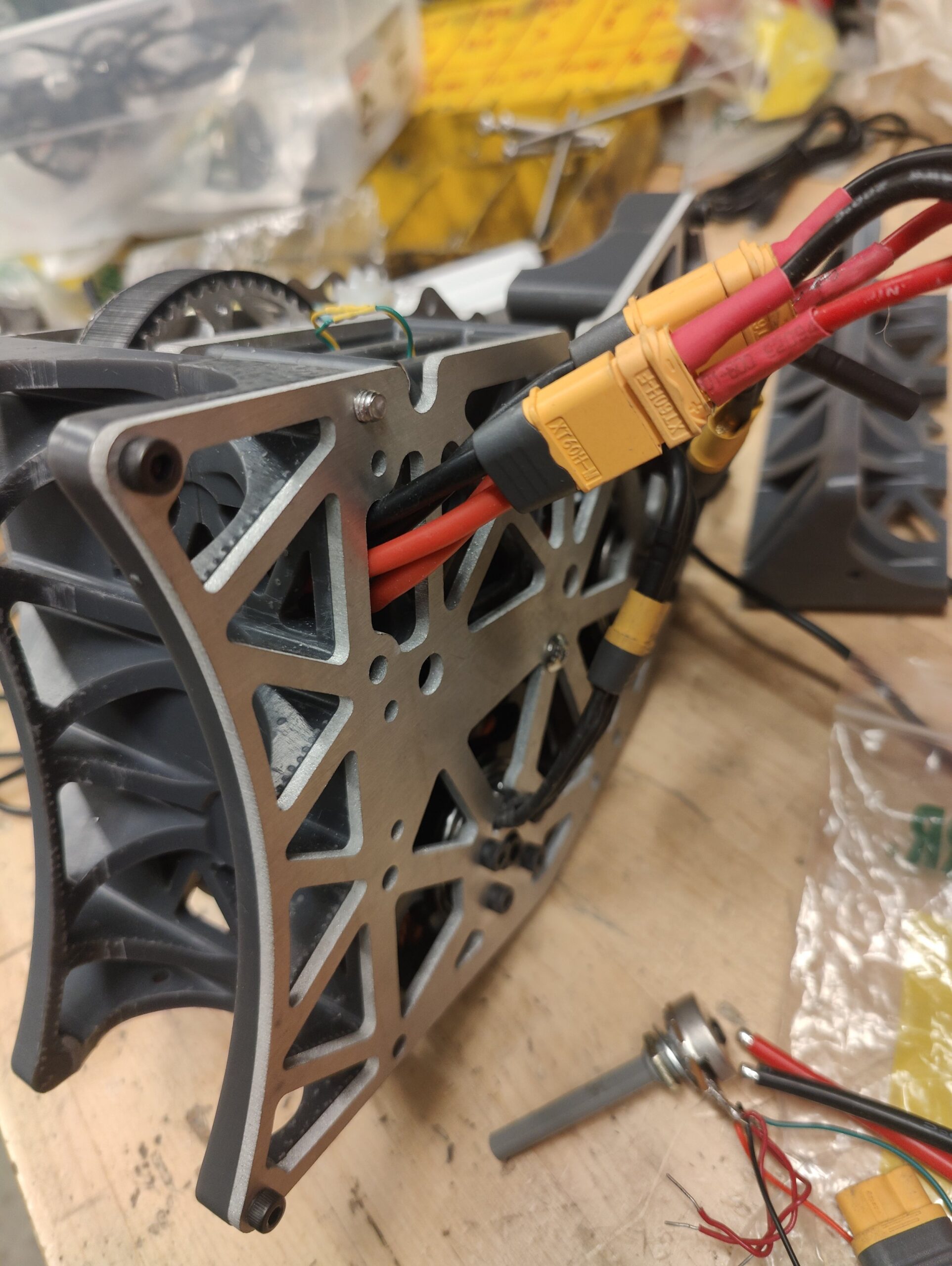
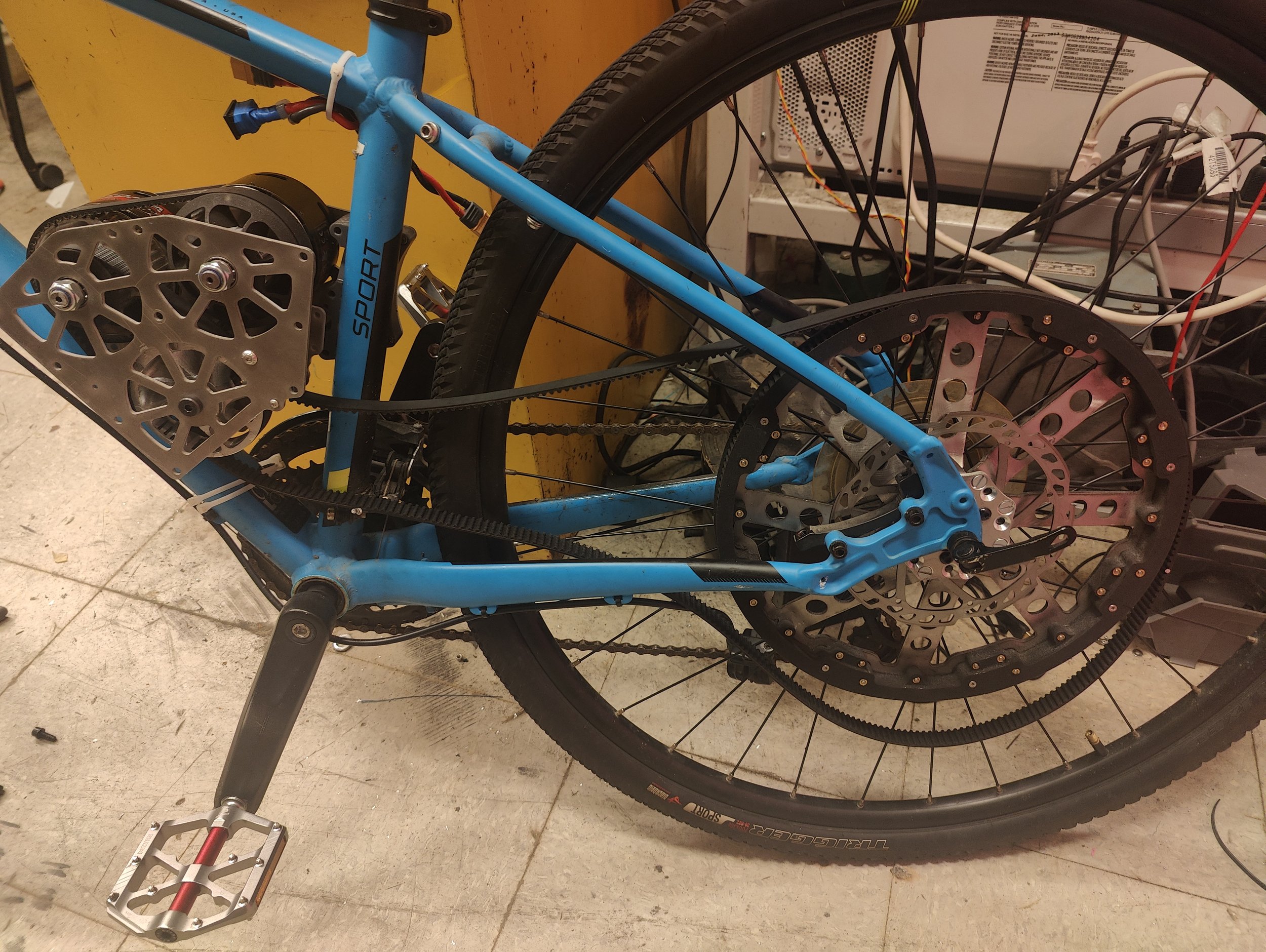
In summer 2023 I set about converting my bike into an EBike using two heavylift drone motors that I took from a robotics lab cleanout. Individually, the motors were not powerful enough for the performance I was looking for, and I didn’t want to have to buy a larger motor (which would also be more difficult to fit into my frame). So I decided to put the motors in tandem using a belt drive.
Here is a video of the bike in action:
HOW IT WORKS:
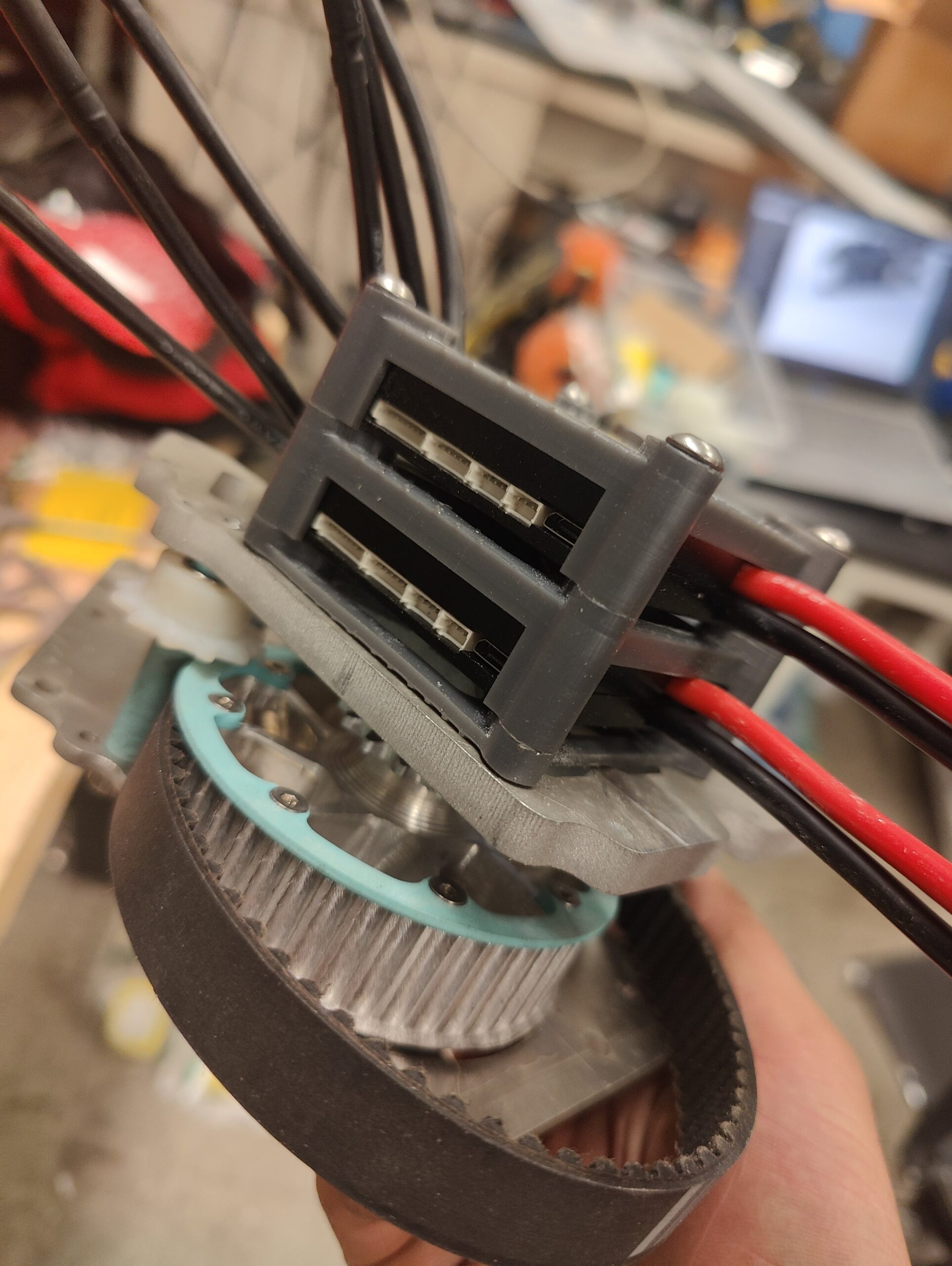
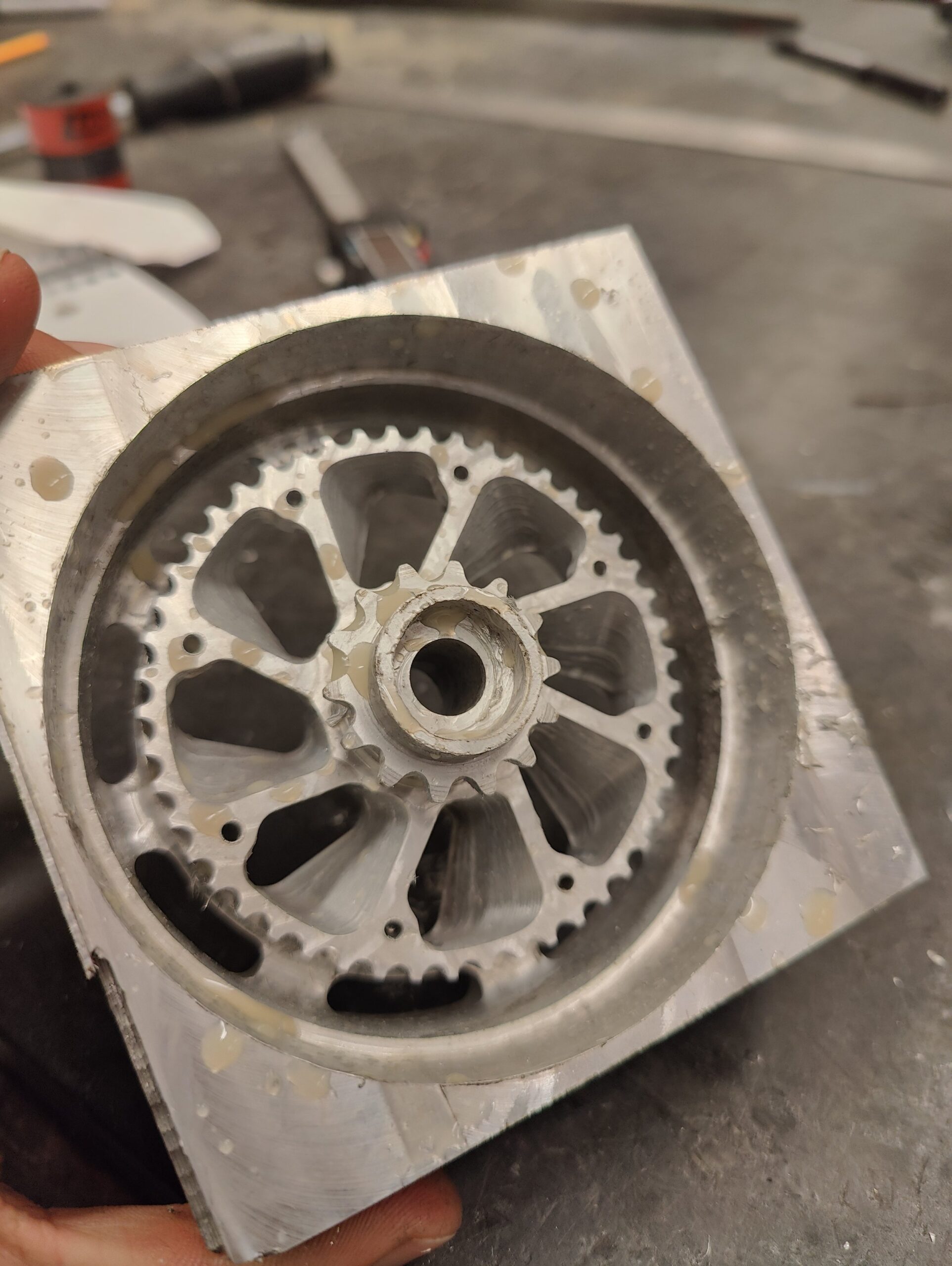
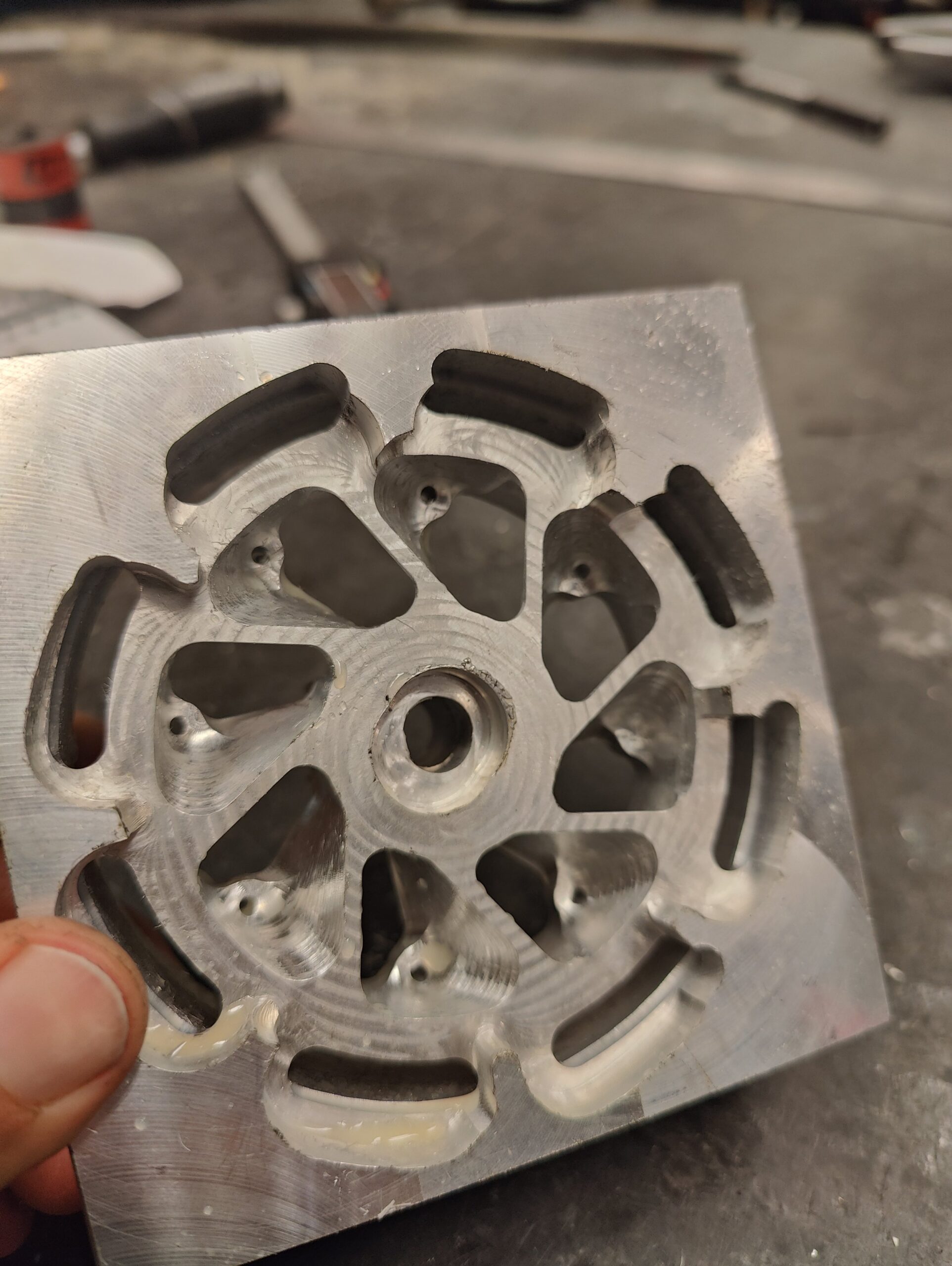
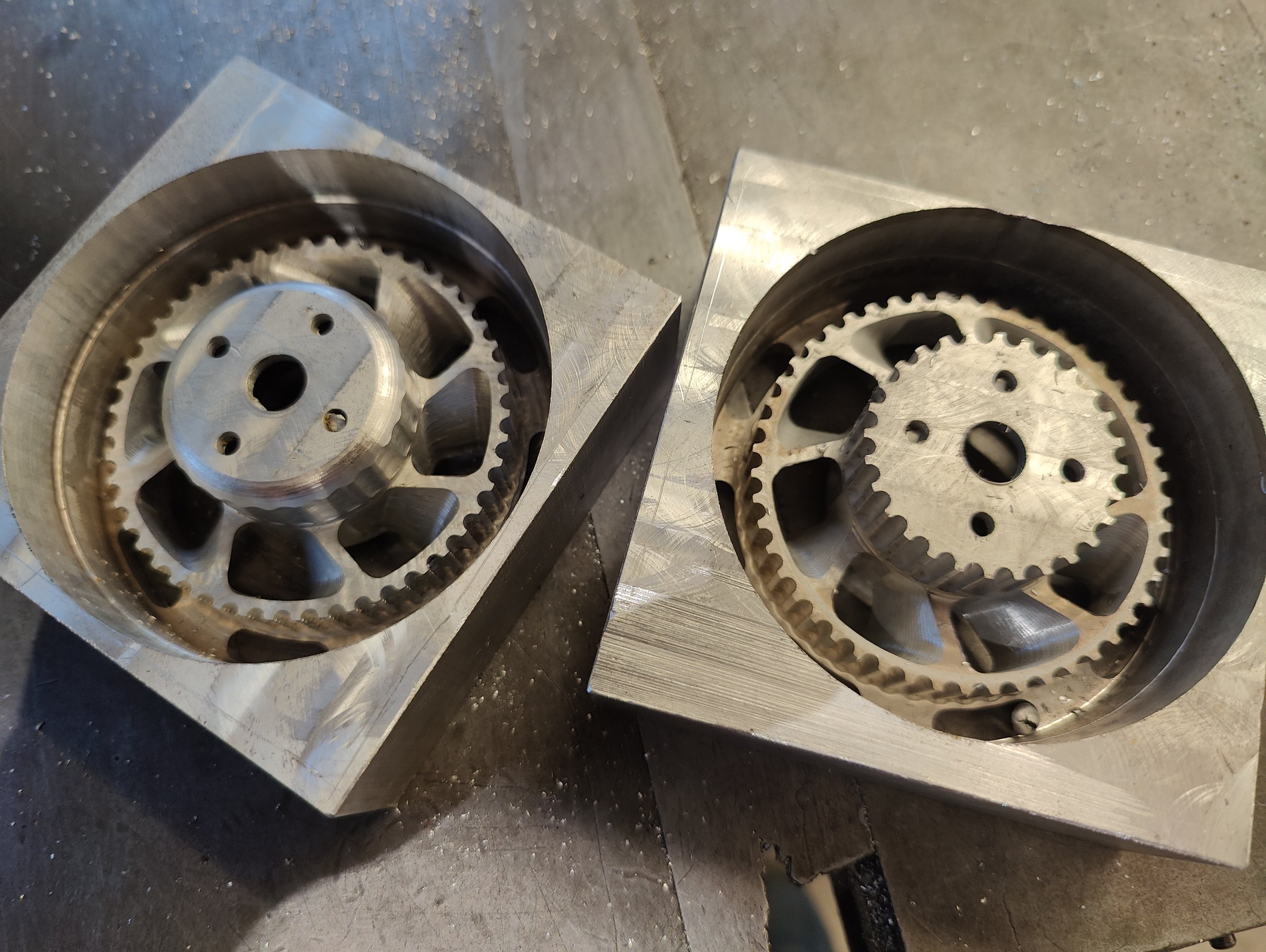
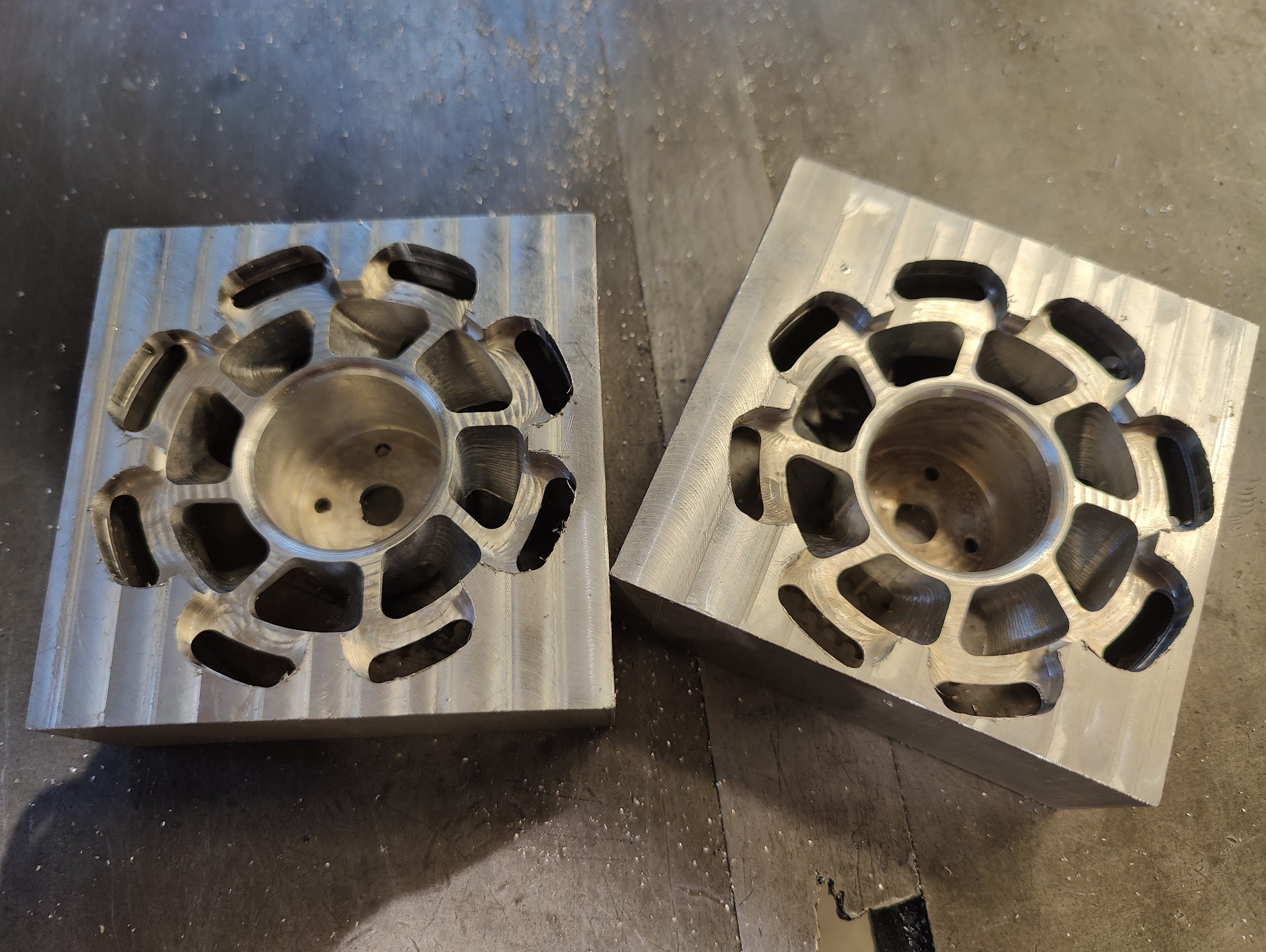
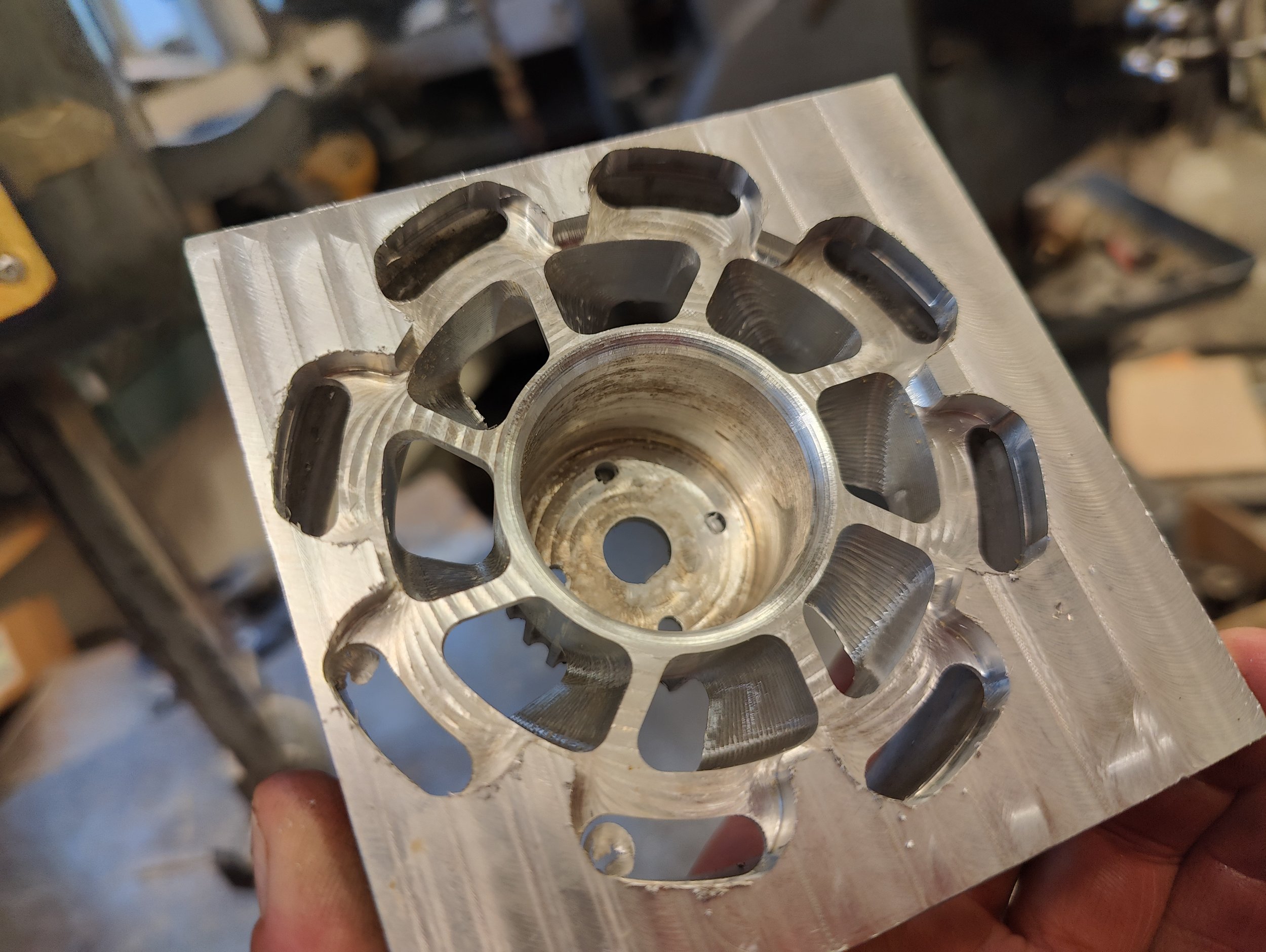
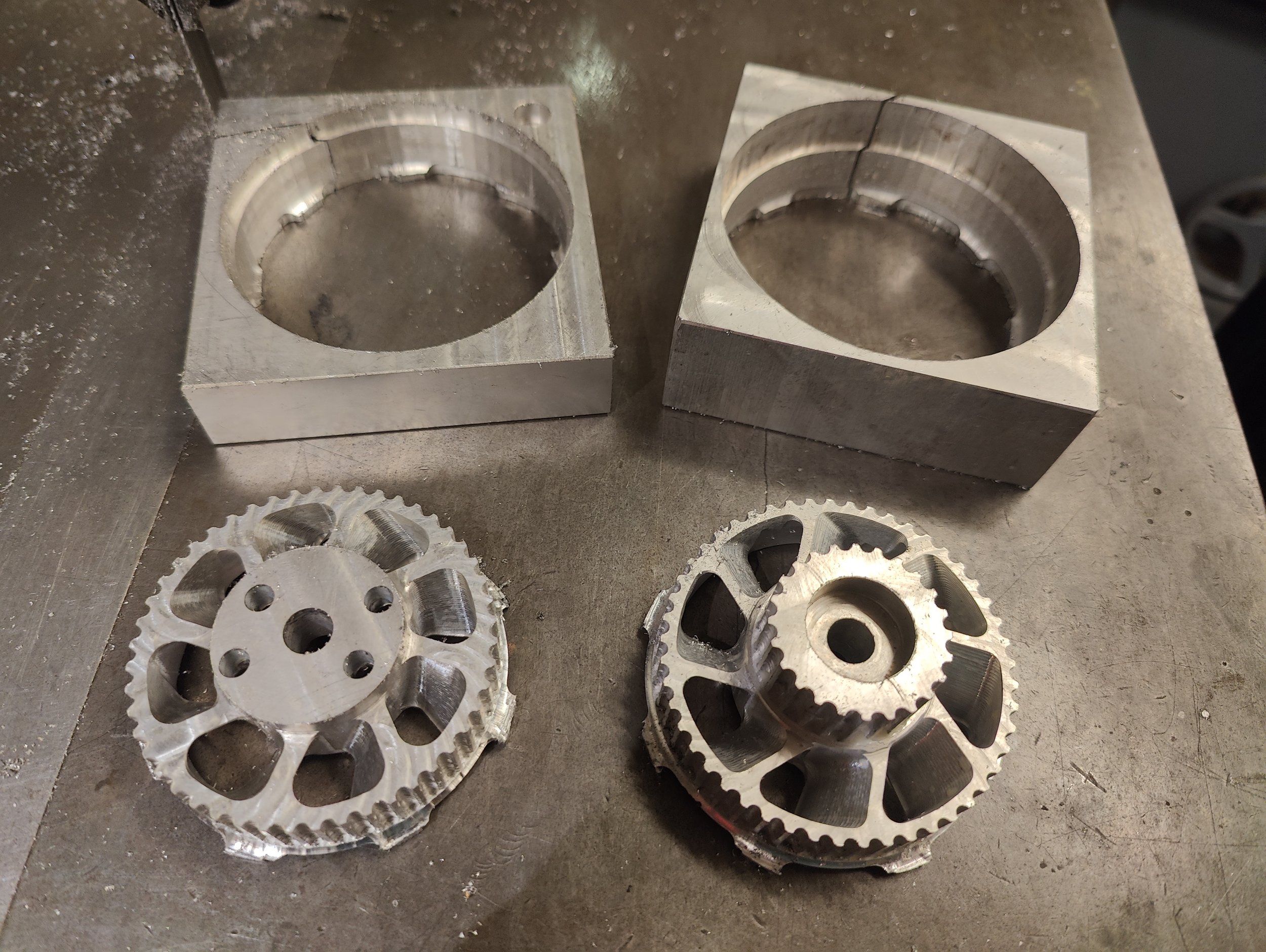
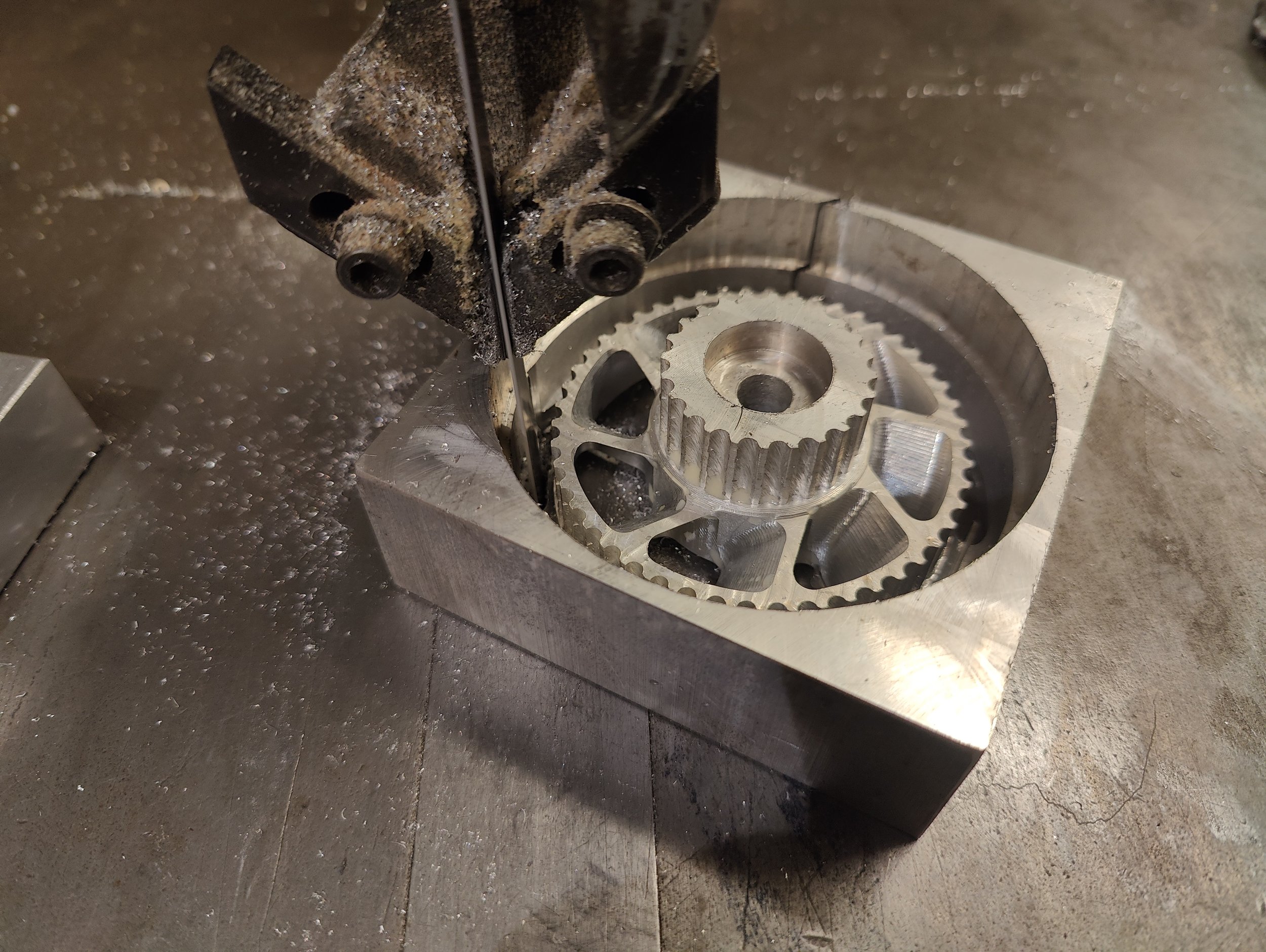
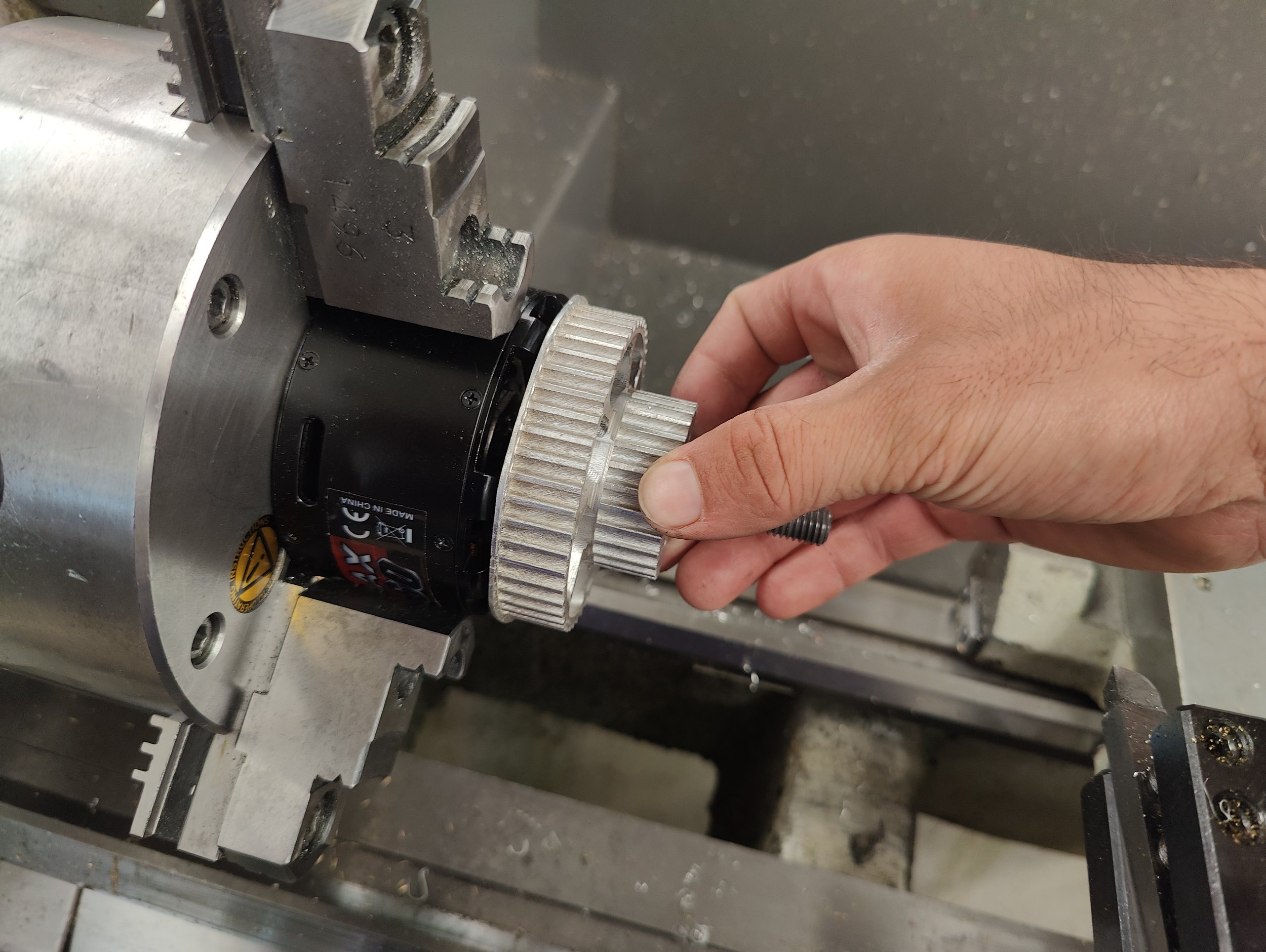
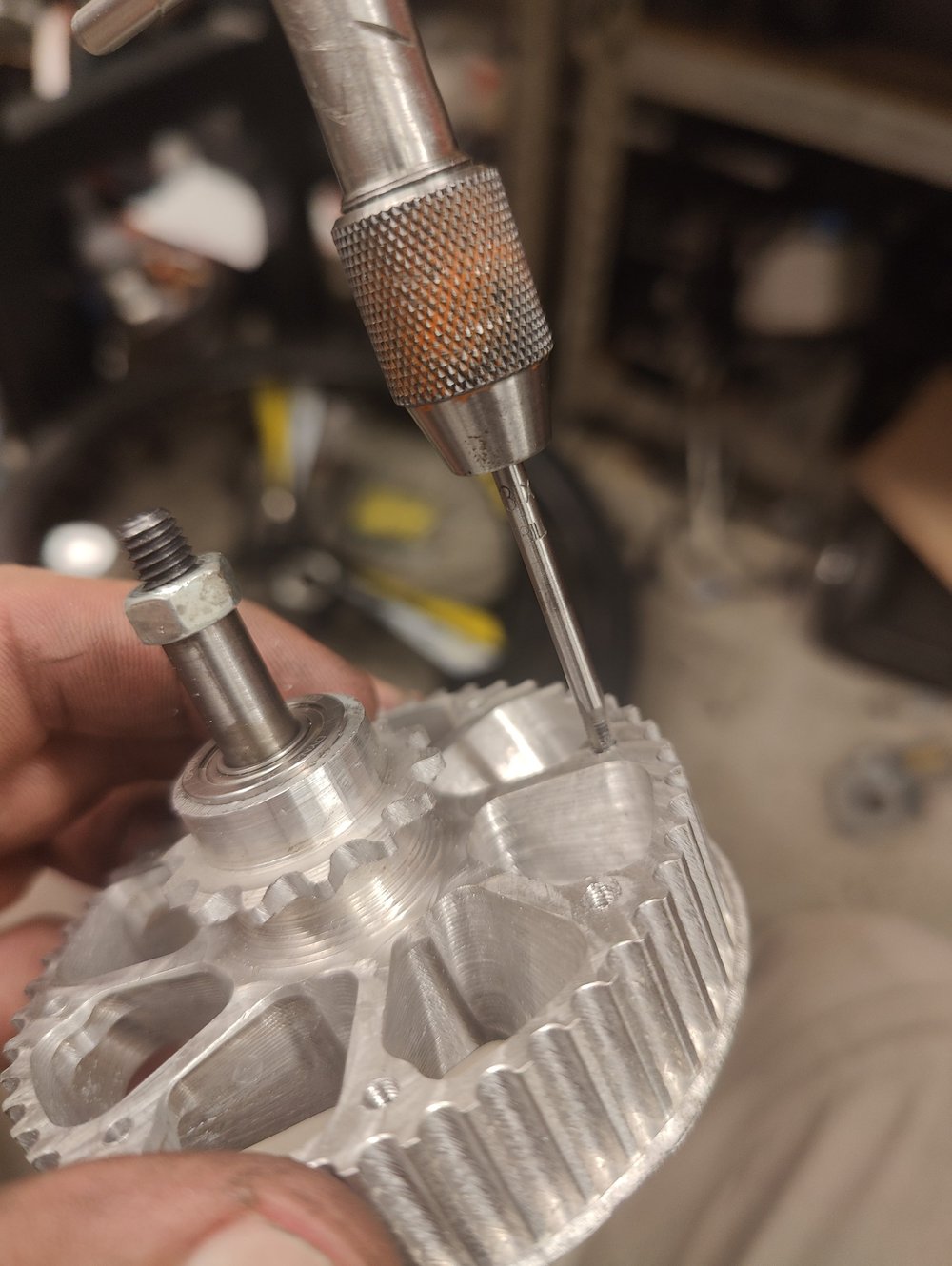
There are 4 pulleys packed into a really small space in the assembly. A pulley on each motor allows the two of them to be connected together, sharing speed and adding their torque. Next, a small pulley on one of the motors goes to a larger pulley on the output shaft, yielding a 2:1 reduction for increased torque. Finally, a sprocket connected to the last pulley transfers power to the back wheel with an additional reduction.
There are two VESC motor controllers also hidden in this assembly, one powering each motor. They are connected together via CAN to synchronize commands. They operate in sensorless torque mode where each controller tries to generate a certain torque by watching the back EMF waveform to determine how to energize the phases. Since this is a closed loop control scheme that doesn’t make any claims about the speed of the motor, it is perfectly suited for this application. The torques from the two motors are added together and they both contribute to the rear wheel, and the VESCs can deal with whatever speed the whole assembly ends up moving at. (If the two VESCs were both trying to operate at a certain speed, this setup would not work, since subtle variations in the performance of the two motors would mean their speeds would never perfectly match, and the VESCs would constantly be fighting each other).
REAR WHEEL:
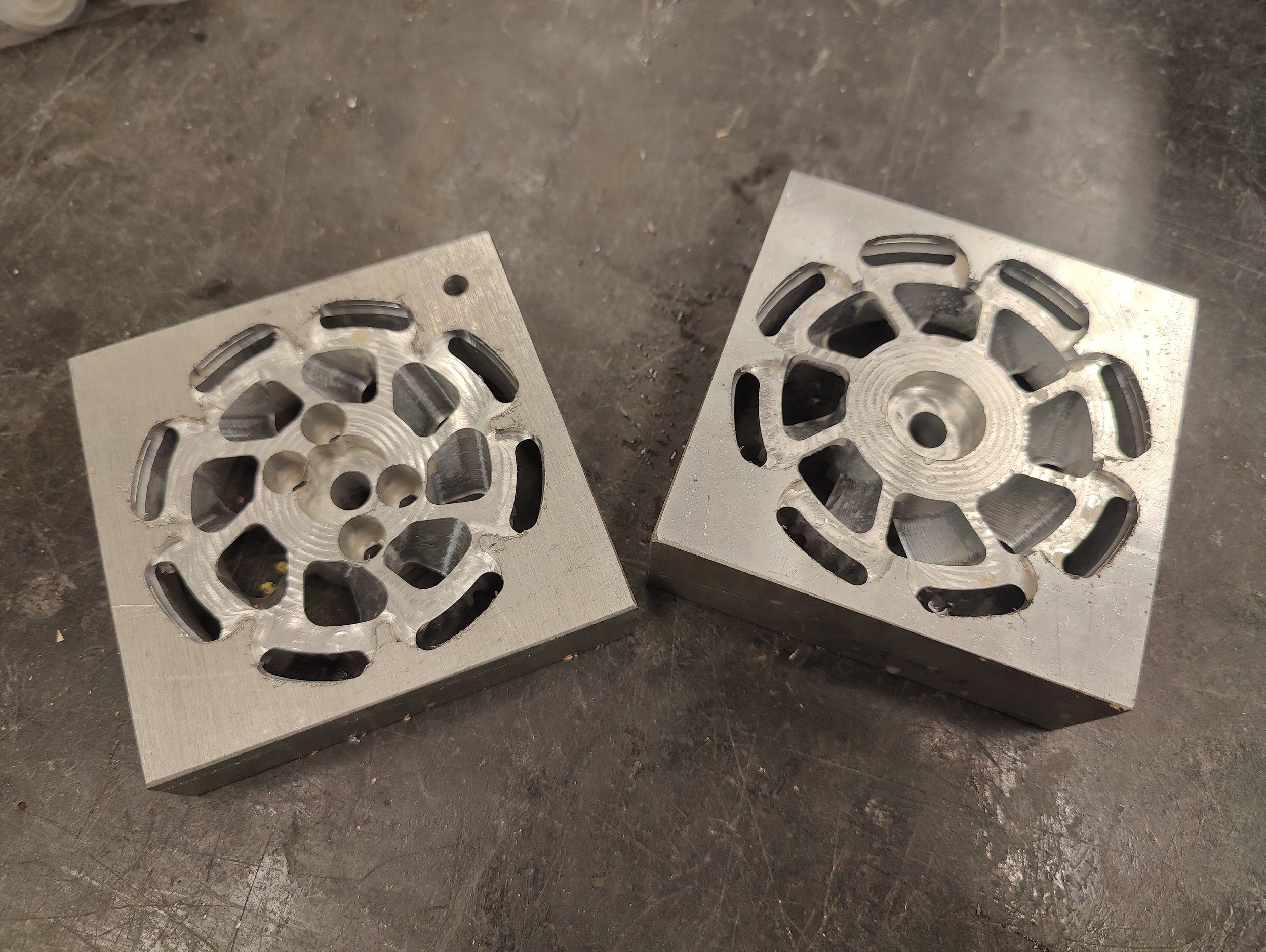
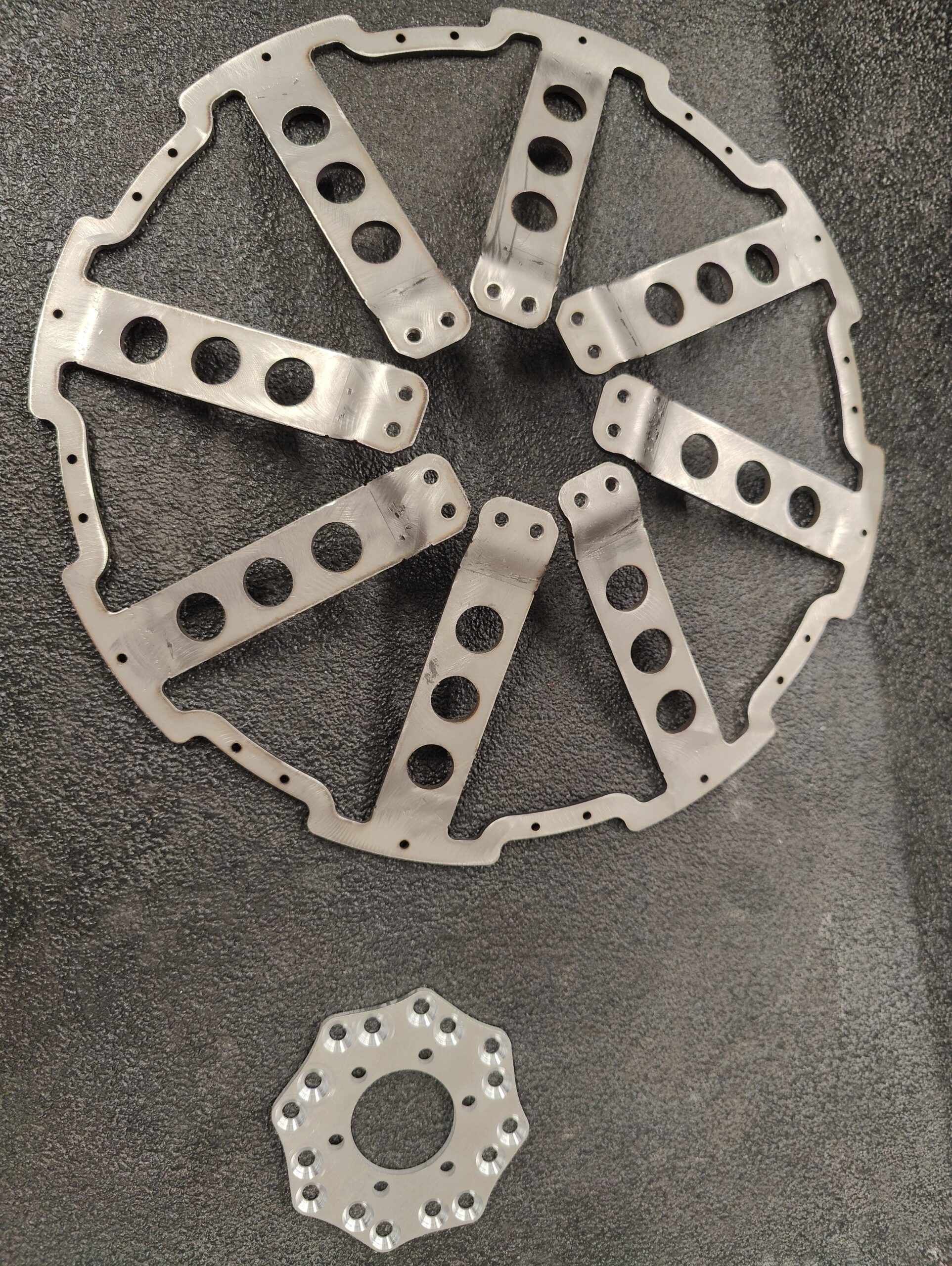
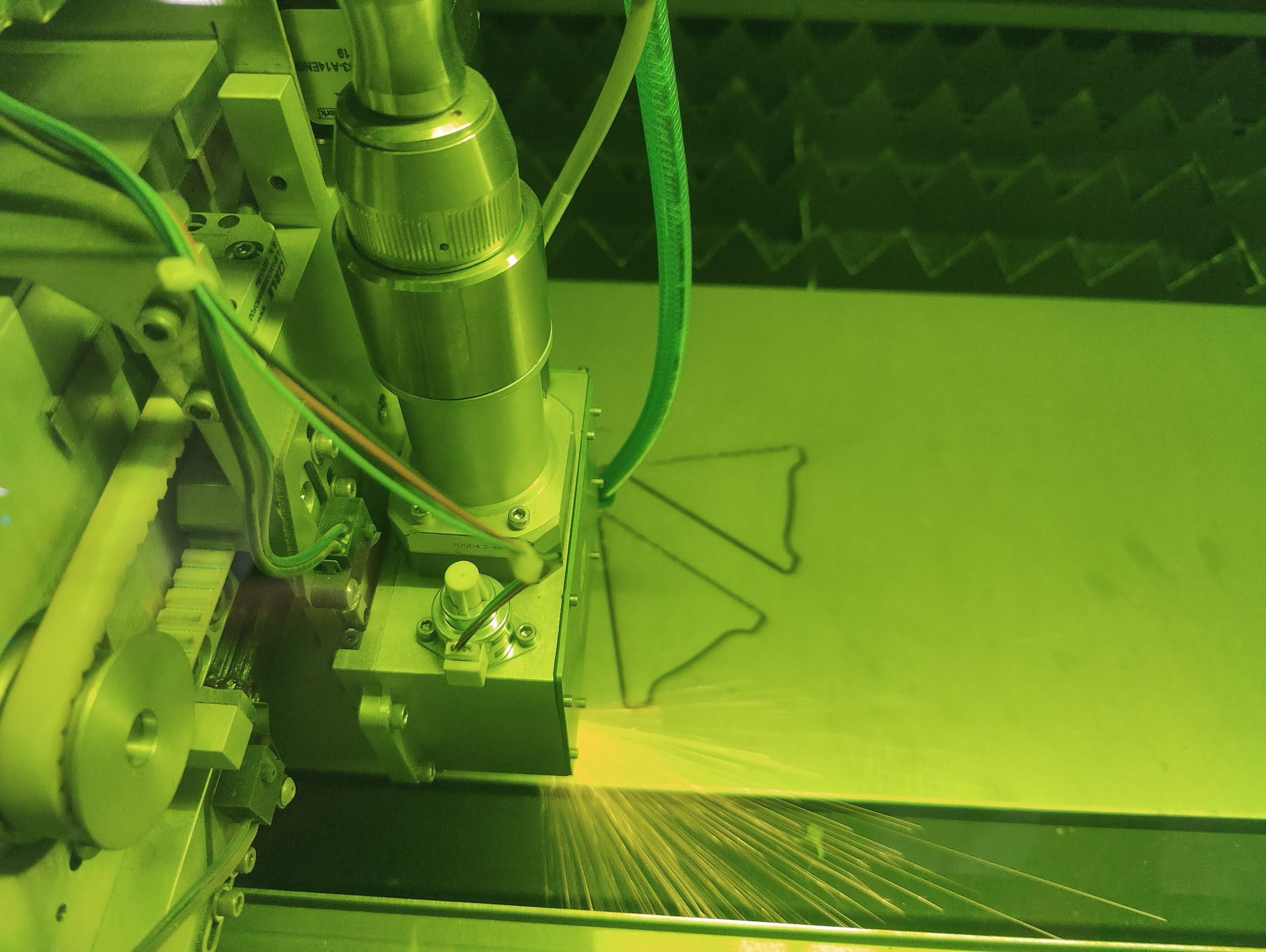
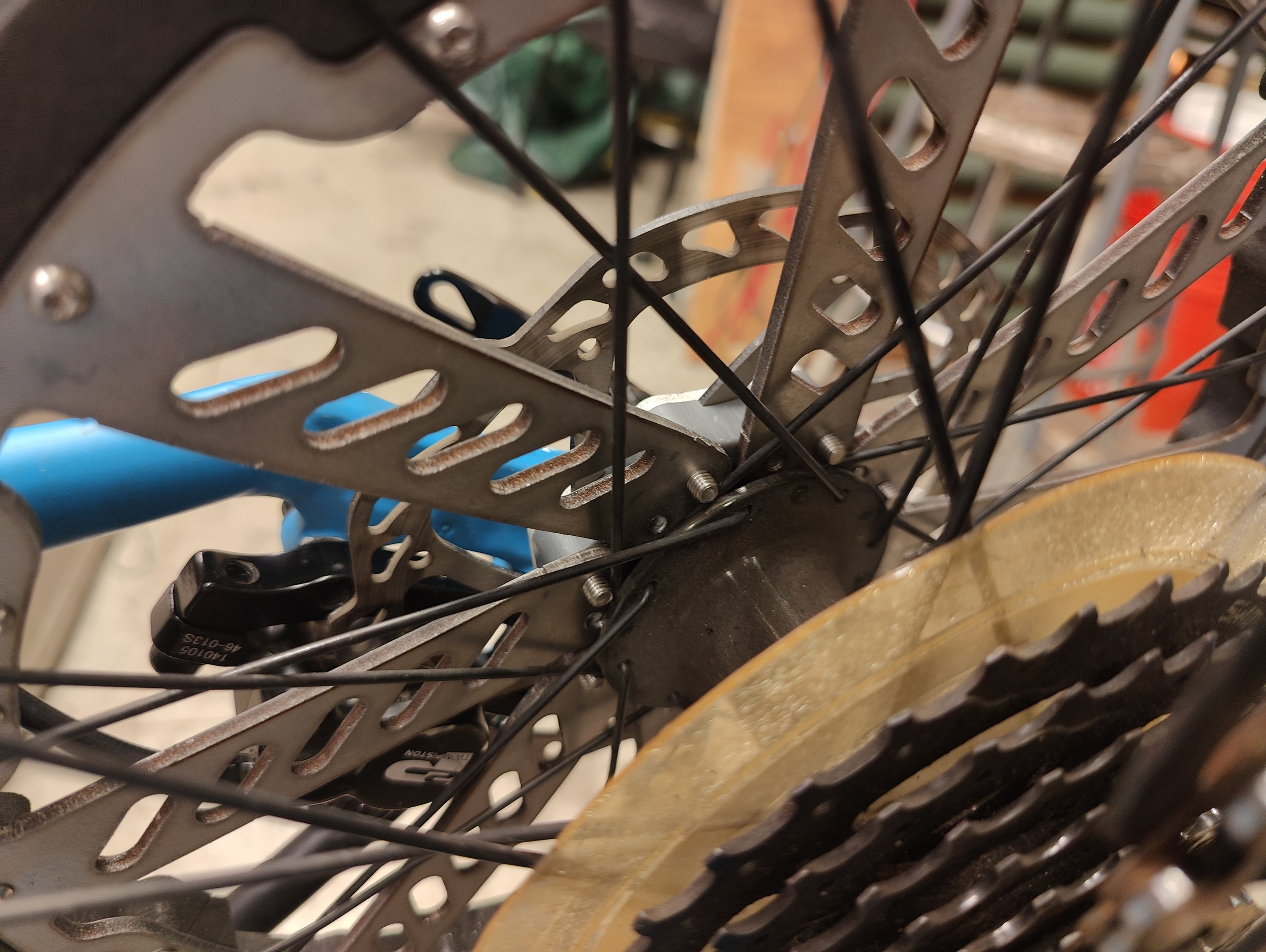
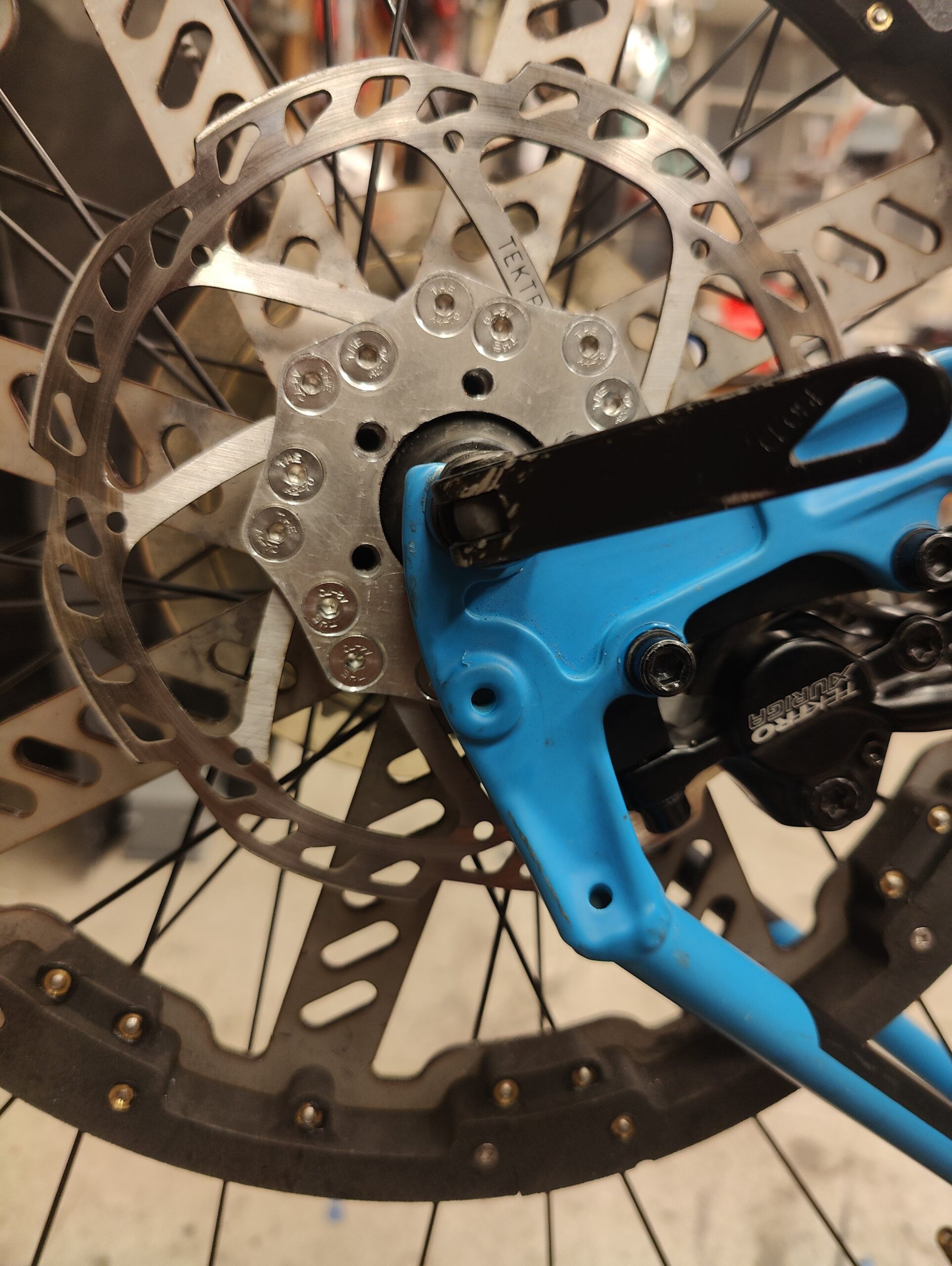
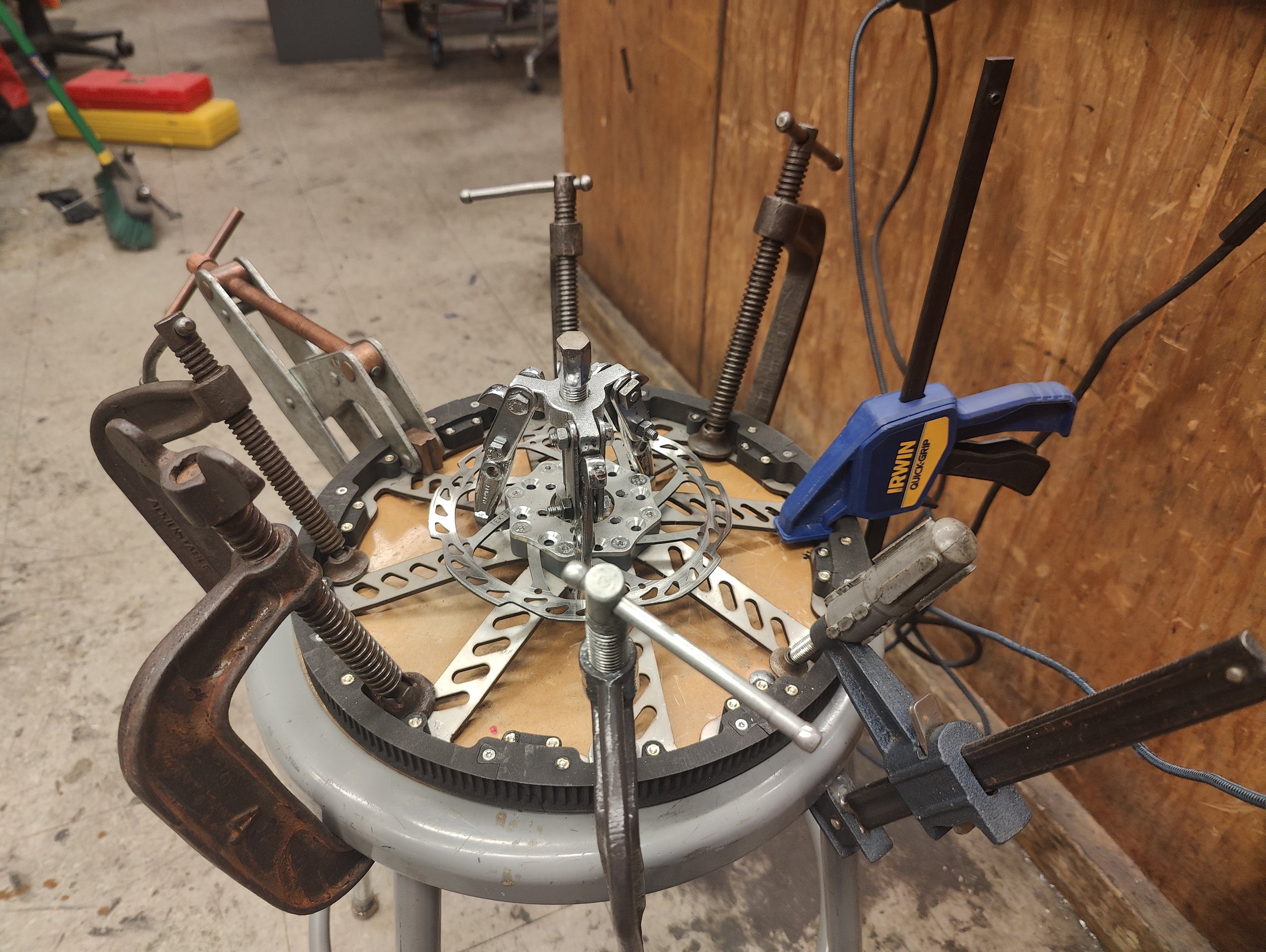
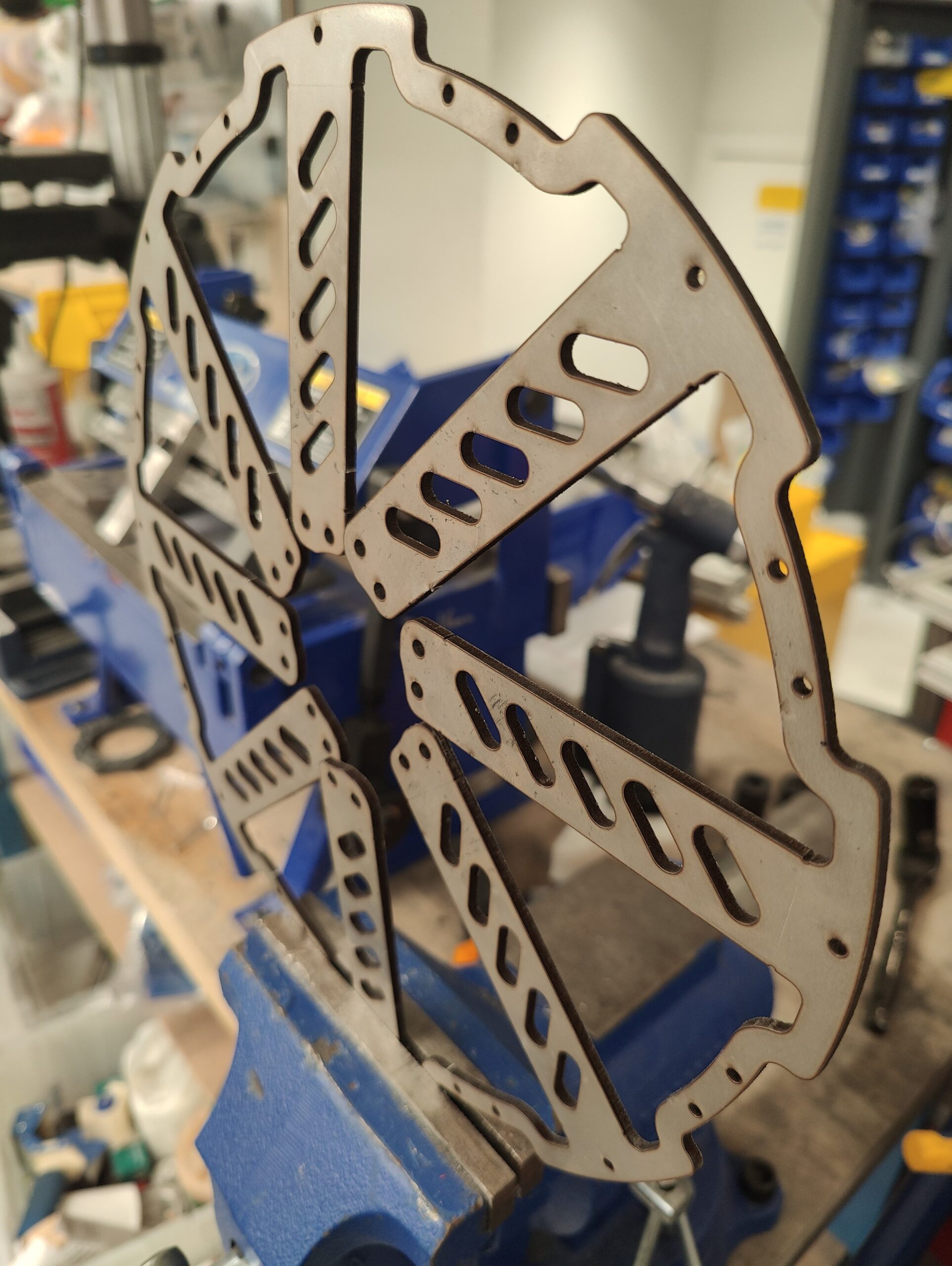
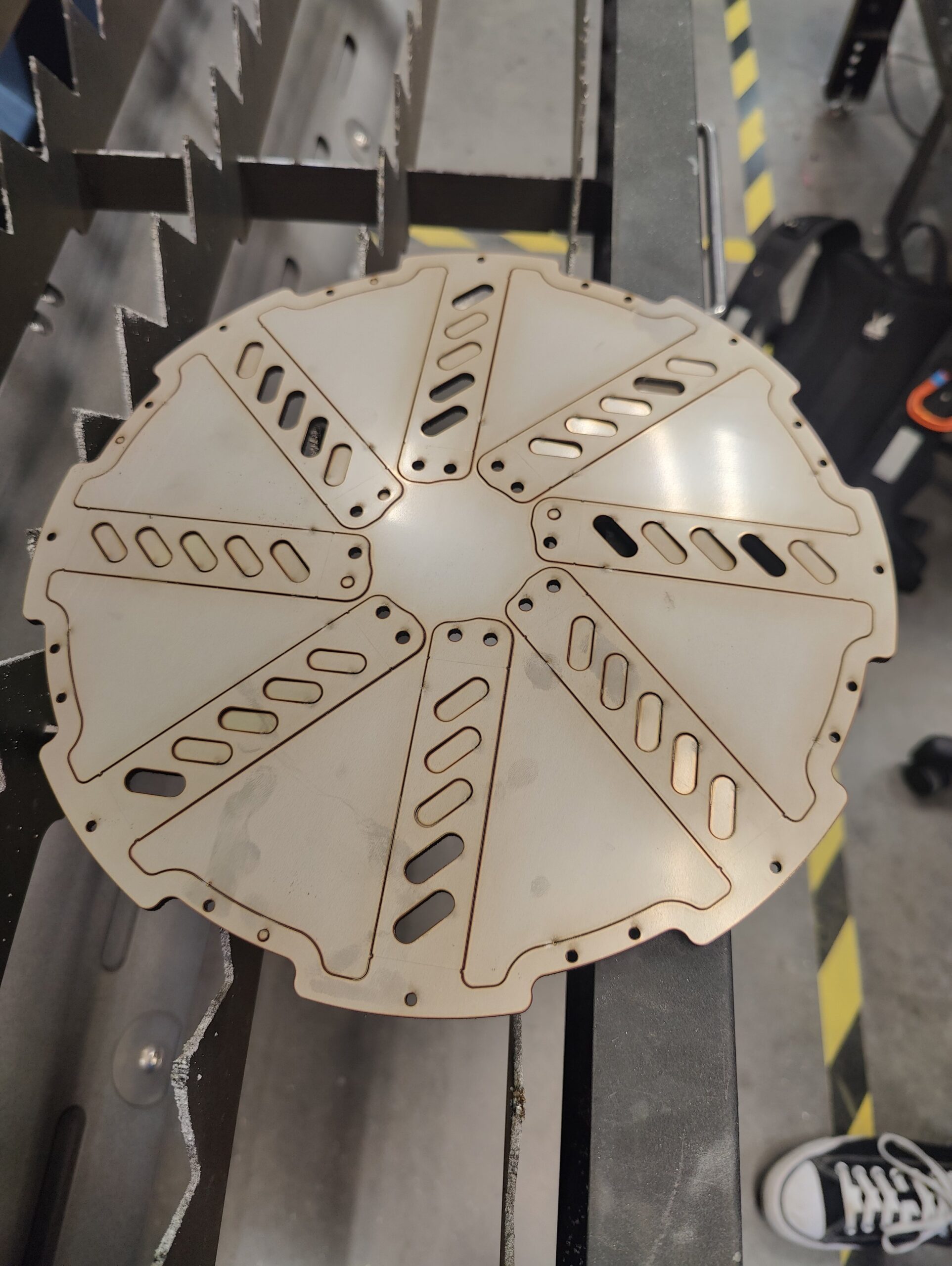
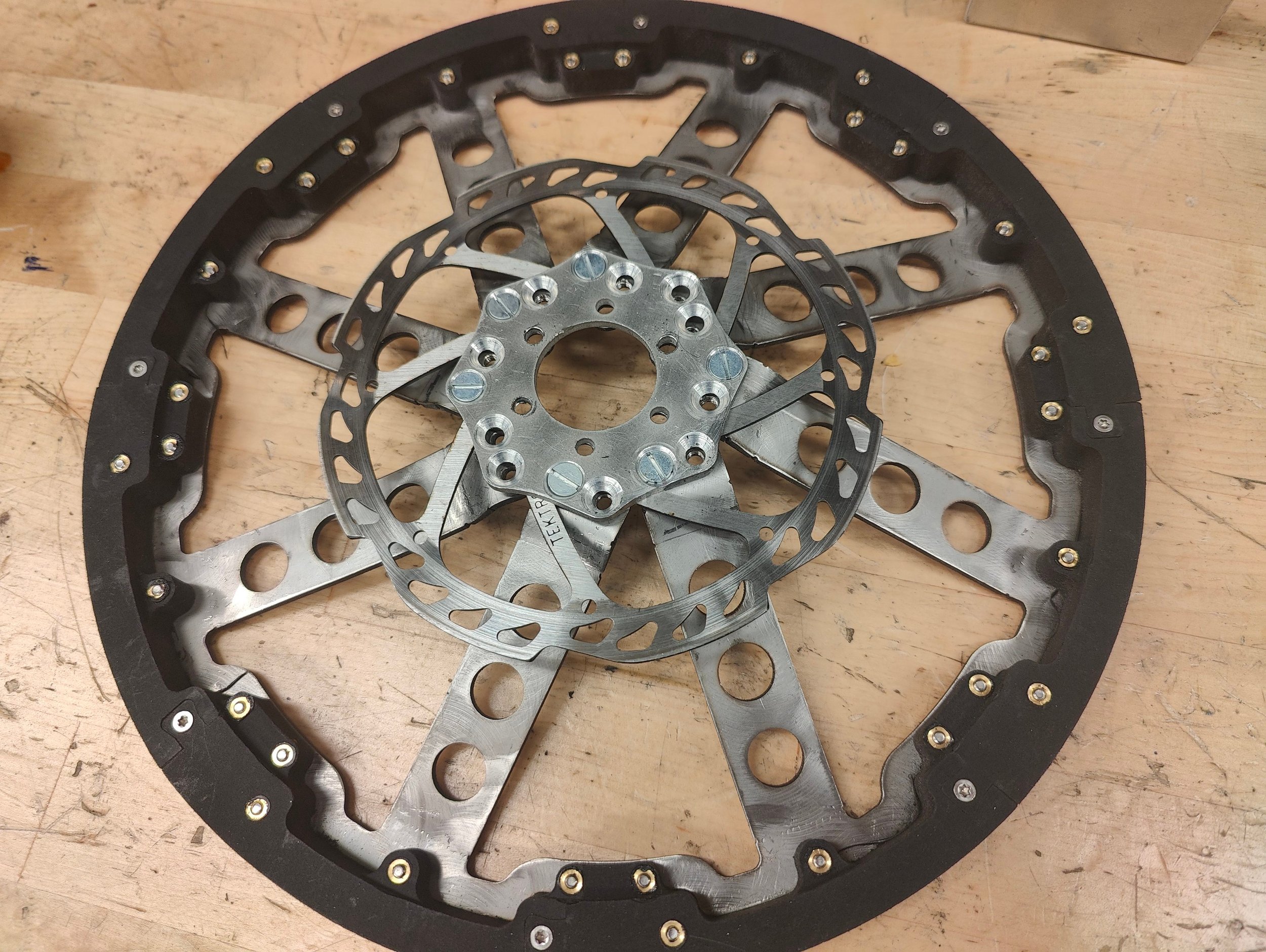
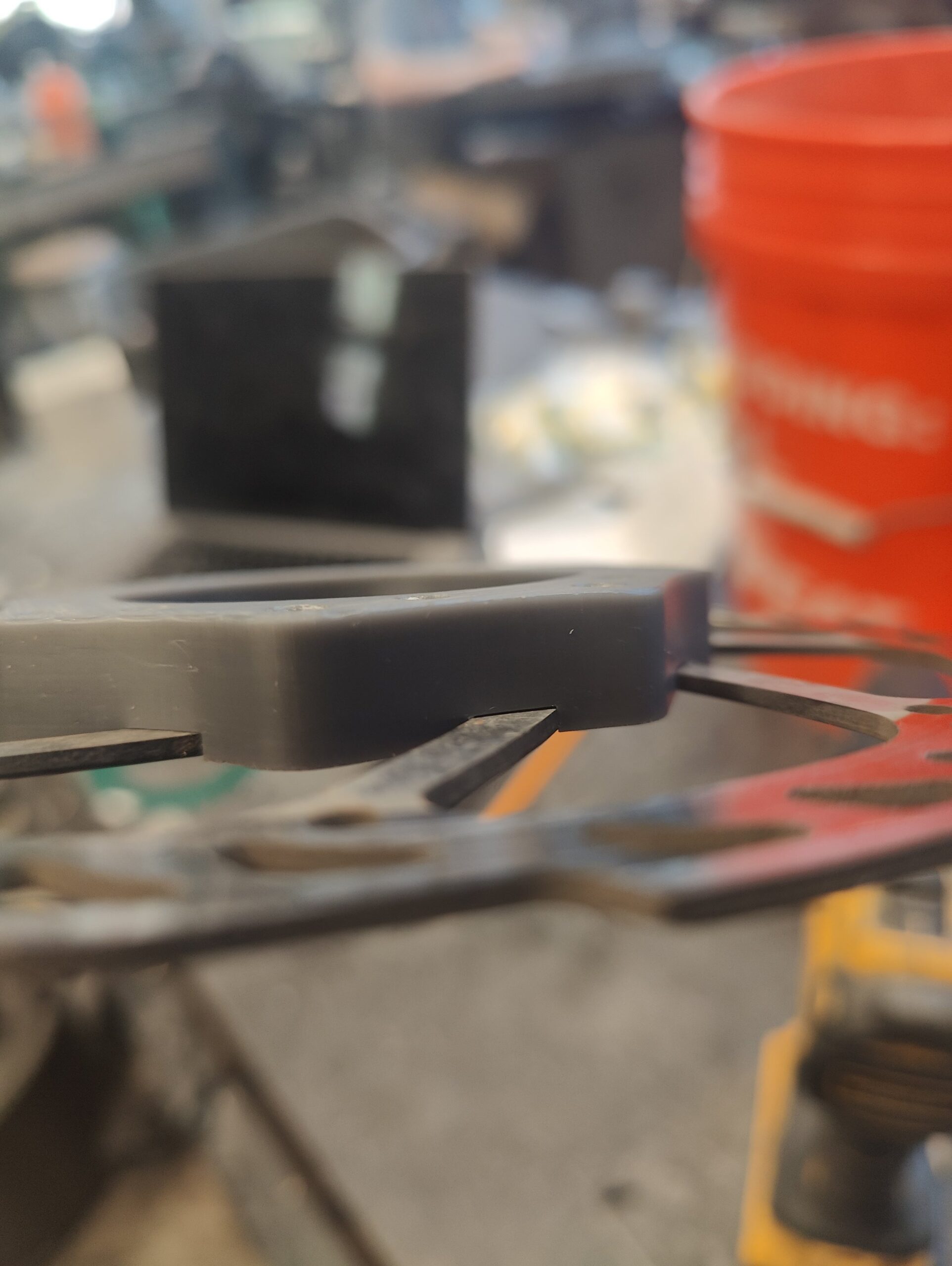
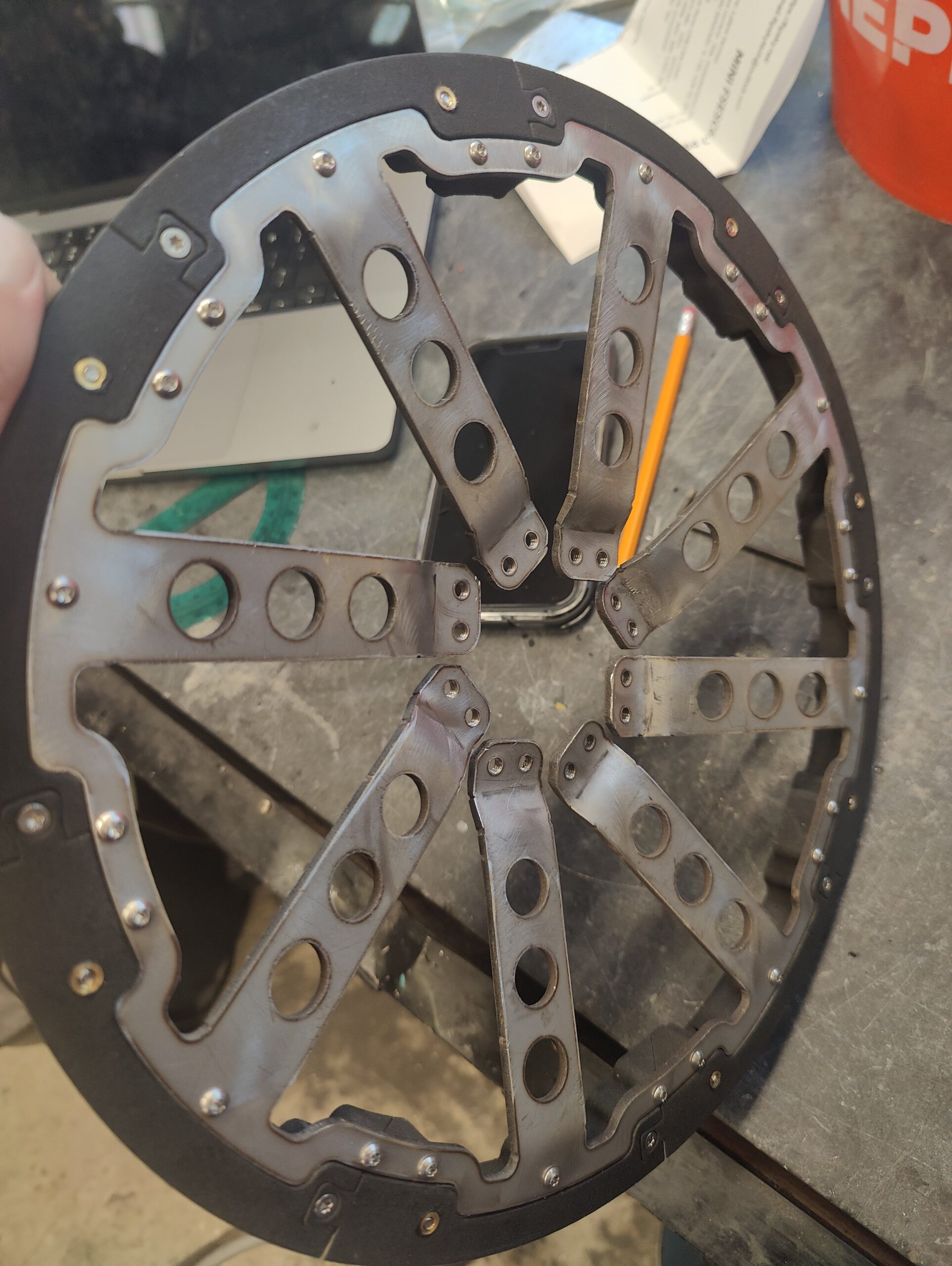
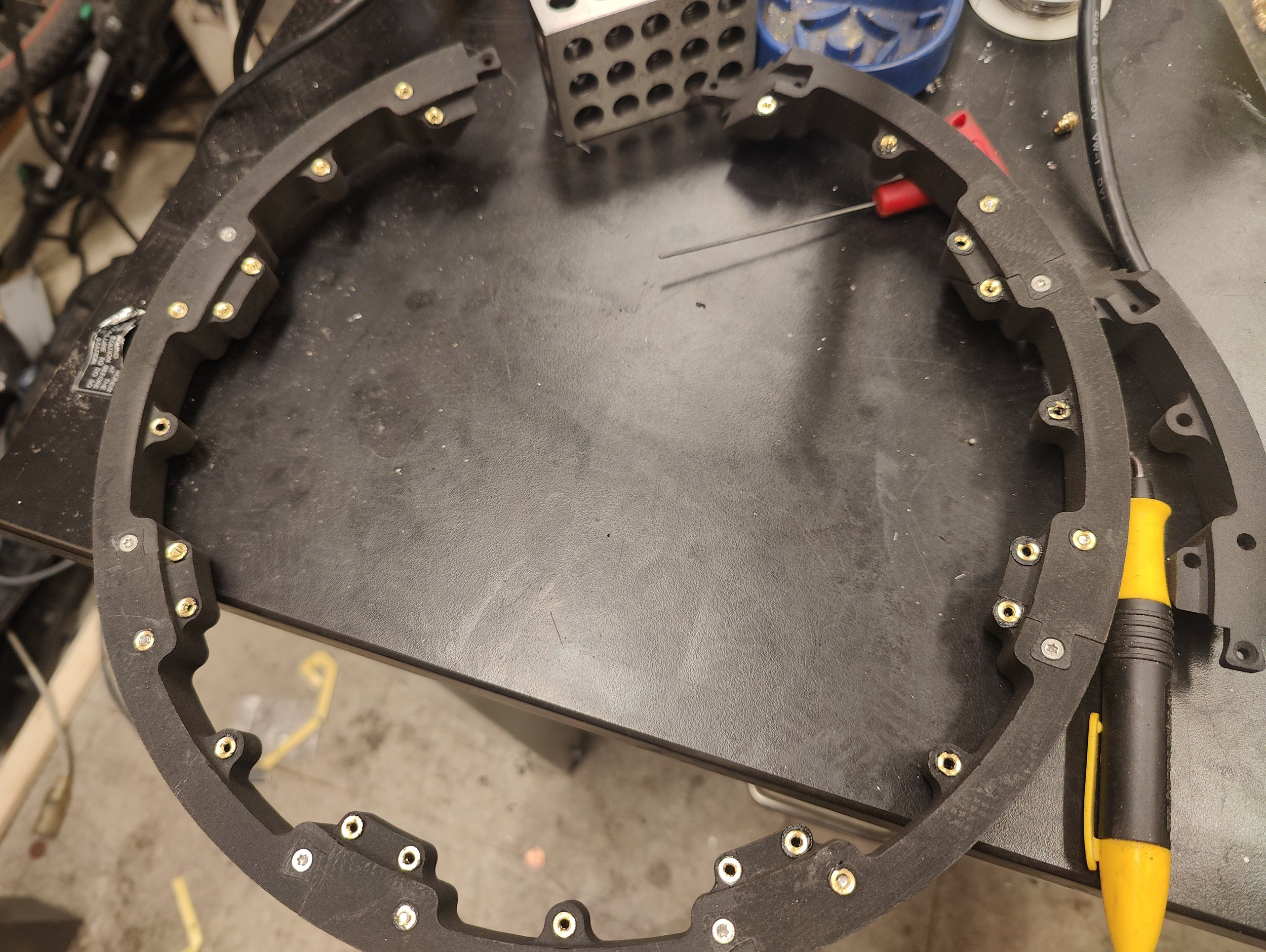
I had initially tried to use a belt to transfer power to the rear wheel, using a really complex rear pulley. With this concept, I wanted to preserve the disc brake that was already there. I made a few attempts at trying to bend a piece of laser-cut stainless steel into a dish shape that would allow the rear disc brake to clear the pulley and keep the belt running in a straight line. Unfortunately I was never able to bend and fabricate this pulley precisely enough to realize this goal.
So, after this I decided to pivot to a motorcycle chain driving the rear wheel. This was a much simpler solution, and I could enable regenerative braking on the VESCs to make up for losing the rear disc brake.